With 50% youth unemployment in Spain, front-page news showed dumpster diving photos.
It shouldn’t be. But it is. Life is difficult, says Scott Peck.
And since when was it easy?
For years, I put myself in a selfless orbit which , at times, has done much damage to myself (self-sabotage).
My appetite for risks and adventure, for sacrifice and heroism, got me in a bit of trouble.
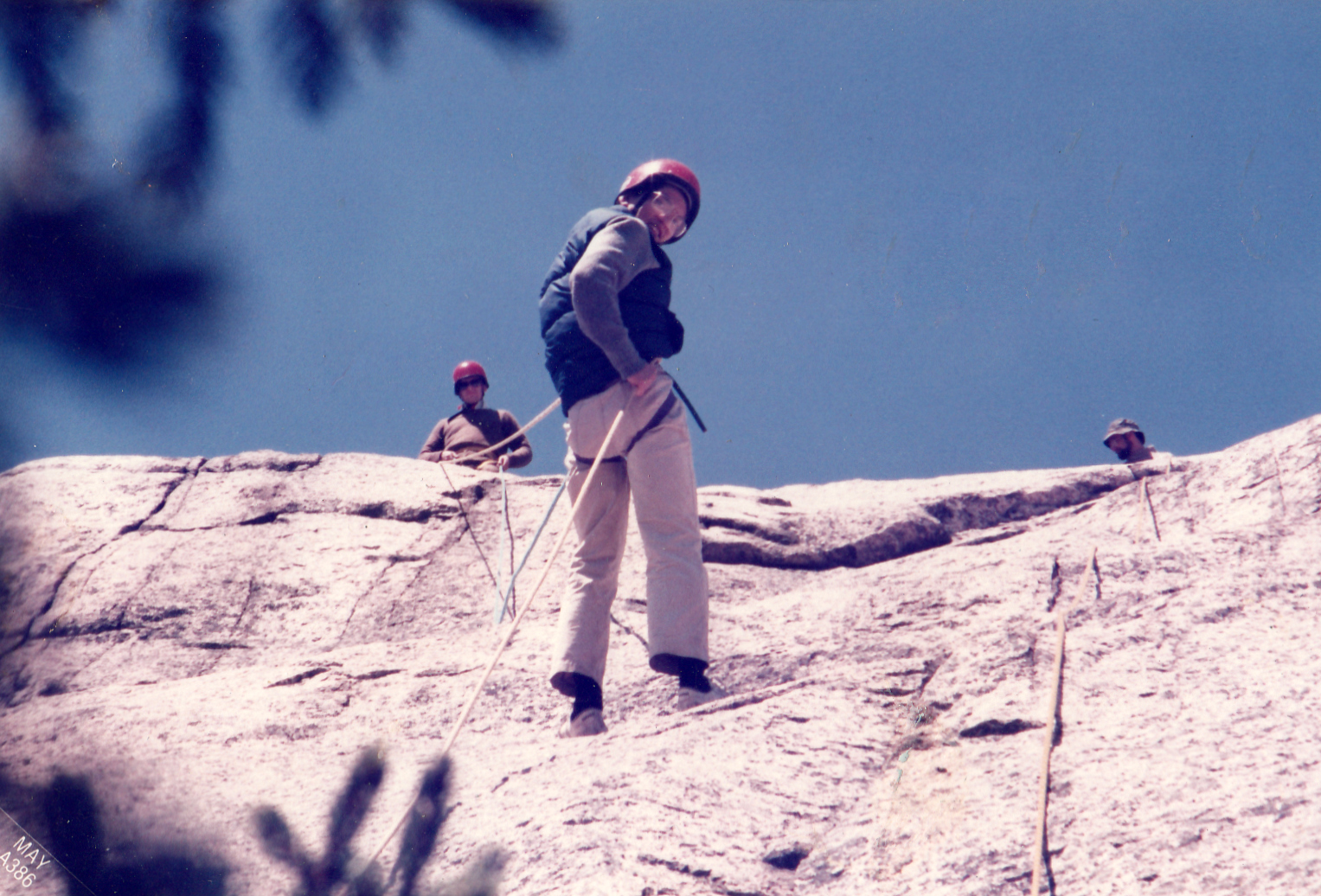
In short, I have been addicted to adrenaline. Life on the edge, hanging and dangling on the cliff, literally, on the last day of a Wilderness Survival course in the White Mountain of New Hampshire.
Now, seeing men in Spain, not in white and red bandanas having fun at the running of the bulls (which I would like to be doing, adrenaline and all), but dumpster-diving (which I definitely can’t see myself doing), I prefer being chased by the bulls than the bears.
Are we in a battle against modernity itself? How come I-phone 5 is in short supply, but workers in Spain are not?
What is the real benefits of globalization and modernization in its present form?
Who dare to pose the real and hard questions and to whom?
Democratizing unemployment?
The rhetoric has been to “flatten” the process of wealth distribution via technology and globalization. But hard data point to a much different conclusion: the top 1% got richer by the day, and more are joining their ranks.
Go figure!
We will soon reach 9-Billion (2050). Will there be enough energy and food for consumption?
Enough I-phone and whatever comes after “I” for everyone? Malthus revival.
The Third wave of civilization is descending on us so quickly (as described aptly via Moore’s Law) that we can’t handle the truth (agricultural and industrial waves took off not as quickly as the information age’s hockey-stick growth).
I remember discussions in some circles that one day, we would all have a bar code imprinted on our foreheads.
Scan me. Zap me.
Brand me. The Who would have to change their “See me, Feel me” anthem.
But for now, you can’t seem to get through a day without some guy (even gal) asking for a hand out.
Brother, can you spare a dollar (used to be a dime) “Anh cho xin mot dong” (in multi-language).
Inflation hit everyone, from Seoul to Spain, Singapore to Shanghai.
At least, in collective societies of the East, people can squeeze in around the table (round) for a dip in the rice bowl. The strength of Western individualism (Robinson Crusoe) has finally faced its logical conclusion: I can find food, as long as you help keep the trash bin cool and clean. Why all the post-industrial brains cannot come up with solar-powered refrigeration for the mass, where spare foods can be deposited there for those who are in desperate need (I have seen used clothing bins, but not food).
Combo number 1 or 2? They have always tried to sell you and I more fries than our bodies can take.
Meanwhile, the rain doesn’t stay mainly in Spain. Anyone with fresh eyes can see something is not going according to plan . Your trash, their treasure. Be grateful, but then be outrageous. We need your rage.
 Thang Nguyen 555